

Unless you’ve been living under a rock for the past couple of years, you’ll have heard the term ‘green freeport’. And for good reason: these Government-allocated zones are designed to boost not only economic growth but also Scotland’s environmental credentials.
But what exactly is a green freeport; what benefits can being associated with one bring; and – perhaps most importantly for us – how do you effectively carry out marketing within a green freeport?
Luckily for you, we have the answer. Having worked with a number of high profile business leaders within Inverness & Cromarty Firth Green Freeport – including Port of Cromarty Firth, Highland Deephaven, Global Energy Group’s Port of Nigg, Port of Inverness, and Nigg Skills Academy – we are uniquely placed to shine a light on the intricacies of green freeports, and what it takes to succeed in them.
What is a green freeport, anyway?
A green freeport is designed to encourage environmentally sustainable economic growth. The concept combines the benefits of a traditional freeport – such as tax breaks, reduced customs duties and simplified regulations – with commitments to achieving environmental goals like reducing carbon emissions and supporting green energy projects.
Simple, huh?
Here in Scotland, freeports like Inverness & Cromarty Firth Green Freeport are required to demonstrate how they will contribute to Scotland’s net zero goals and promote fair work practices while driving economic growth.
The two green freeports in Scotland – Inverness & Cromarty Firth and Forth – are expected to attract up to £52 million in start-up funding from the UK and Scottish governments. More than that, they aim to generate around £10 billion in investment over the next decade.
Inverness & Cromarty Firth Green Freeport alone is projected to create up to 25,000 jobs, with around 10,250 directly in the Highlands.
What are the benefits of being based in a green freeport?
So, now you know the basics of what a green freeport is… but why bother basing your business in one?
Inverness and Cromarty Firth Green Freeport and others like it offer a range of specific benefits designed to attract businesses, stimulate economic growth, and drive the development of green industries.
Tax Incentives
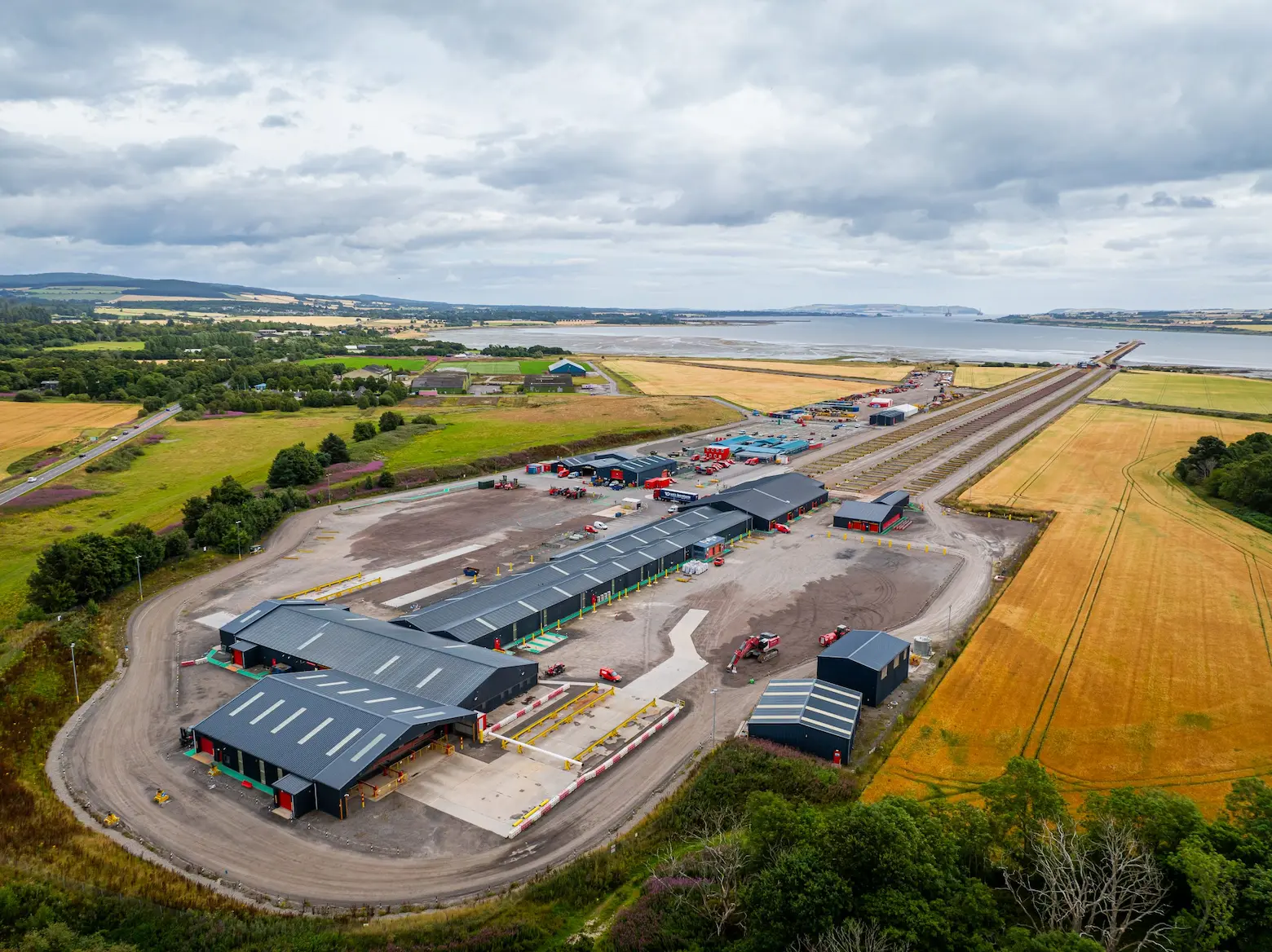
Businesses operating within the designated tax sites of a green freeport can benefit from a range of tax incentives, including:
- Stamp Duty Land Tax (SDLT) Relief: This applies to the purchase of land and properties within the green freeport area.
- Enhanced Capital Allowances: Businesses can claim higher levels of tax deductions for investments in plant and machinery.
- Enhanced Structures and Buildings Allowance: A higher rate of relief is available for the construction or renovation of buildings within the freeport.
- Employer National Insurance Contributions Relief: Businesses creating new jobs can benefit from reduced employer NICs for eligible employees.
Customs Benefits
As well as tax incentives, there are a range of customs benefits for those importing and exporting goods:
- Customs Duty Deferral: Businesses can defer paying customs duties on goods until they enter the UK market, providing significant cash flow advantages.
- Duty Exemptions and Inward Processing Relief: Companies can avoid customs duties on goods that are re-exported, or receive relief on goods processed within the freeport before entering the UK market.
- Simplified Customs Procedures: Streamlined and faster customs processes are available, reducing administrative burdens and allowing for more efficient operations.
Investment and Infrastructure Support
Green freeports are positioned to attract significant private and public investment aimed at upgrading infrastructure, especially in support of offshore renewable energy projects. This includes improved port facilities, green energy generation sites, and logistics hubs.
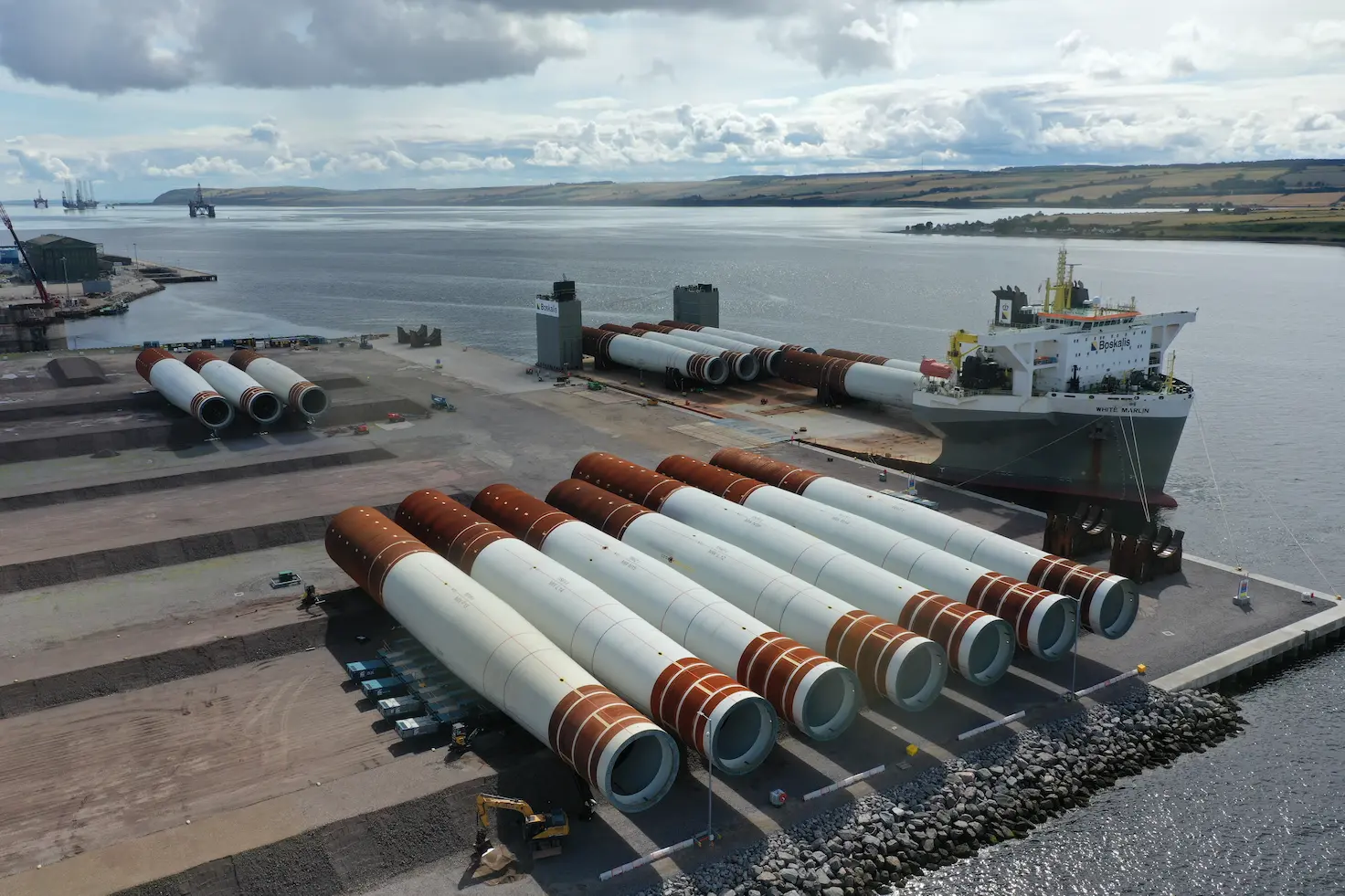
Port of Cromarty Firth, for example, is one of two UK ports to be put forward for the Floating Offshore Wind Manufacturing Investment Scheme (FLOWMIS), earmarking £50 million worth investment for development of port facilities within the green freeport. This, coupled with the port’s funding from the SOWEC Strategic Investment Model (SIM), will ensure that Inverness & Cromarty Firth Green Freeport has the strategic facilities required to serve the global green energy industry.
Green freeports also provide access to government funding and grants aimed at promoting sustainable economic development and innovation in clean technologies.
Regulatory Flexibility and Support
Businesses benefit from simplified and flexible planning regulations that facilitate quicker development of projects, particularly those aligned with the green economy.
At Highland Deephaven, the land within the industrial park is zoned for industrial use within the Local Development Plan, meaning that industrial and commercial developments in this Inverness & Cromarty Firth Green Freeport site will be supported in principle by the planning authority.
Support is also available for businesses seeking to develop green technologies, including access to innovation funding, research partnerships, and collaboration with academic institutions.
Focus on Green Innovation and Skills Development
Green freeports are designed to be a hub for green innovation, with a particular focus on renewable energy (especially offshore wind), hydrogen production, and carbon capture technologies.
Freeports aim to develop a skilled local workforce by providing training programs, apprenticeships, and opportunities in emerging green industries. This focus is critical to supporting long-term sustainable employment and ensuring that the local population benefits from the economic opportunities created.
Within Inverness & Cromarty Firth Green Freeport, for example, Nigg Skills Academy provides work-ready individuals for the industries that the freeport requires now and in the future. With construction, manufacturing and engineering skills in high demand, as well as NPORS accreditations, the academy condenses traditional college and university training into intensive courses that get people on site quicker and better trained, with bags of hands-on experience.
Net-Zero and Sustainability Goals
Businesses within freeports like Inverness & Cromarty Firth Green Freeport are encouraged to align their operations with Scotland’s net-zero objectives. There are opportunities for companies engaged in the production, storage, and distribution of renewable energy, as well as those involved in decarbonisation efforts.
The freeport offers strategic support for industries that contribute to the circular economy, sustainable transport solutions, and environmental innovation.
Global Trade and Export Opportunities
The location and infrastructure of Inverness & Cromarty Firth Green Freeport provide strategic access to international markets, particularly in the energy sector.
The region’s deep-water ports, coupled with streamlined customs procedures, make it an attractive base for companies looking to export goods and technologies globally.
What companies are taking advantage of Inverness & Cromarty Firth Green Freeport’s benefits?
Several businesses have already entered Inverness & Cromarty Firth Green Freeport to take advantage of its incentives, particularly those focused on renewable energy and manufacturing. Businesses already based within the designated area have also capitalised on the benefits of being located within a green freeport.
These include:
- Port of Cromarty Firth: The port is expanding its operations, focusing on supporting offshore wind and green hydrogen projects. Its involvement underscores the freeport’s role as a hub for green energy innovation and large-scale renewable energy projects.
- Sumitomo Electric Industries: This major player is establishing a manufacturing facility at Nigg to produce cables for offshore wind farms. Its investment highlights the freeport’s strategic importance in supporting Scotland’s growing renewable energy sector.
- Haventus: At Ardersier Port, Haventus secured significant funding to develop a crucial infrastructure facility supporting the offshore wind industry. This facility will be pivotal in meeting the region’s renewable energy targets.
What industries thrive in a green freeport?
This is just a small sample of the investment currently being made into the Highland region through the green freeport – and an even smaller percentage of what’s to come.
And while renewable energy is a huge talking point, it’s not the be-all and end-all of green freeport investment. Businesses from a range of industries could benefit from being based within a green freeport, including:
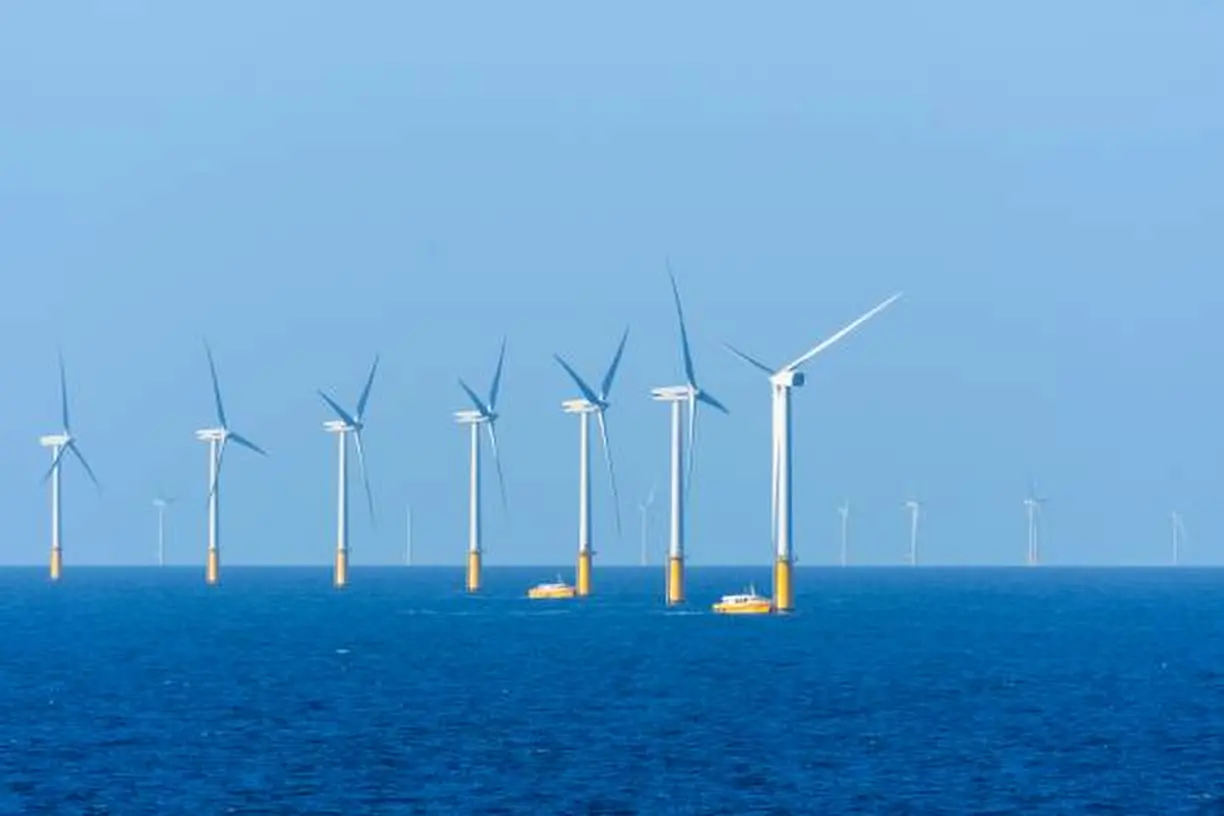
- Renewable Energy – including offshore wind, hydrogen production, tidal energy, and solar power
- Advanced Manufacturing – including precision engineering, green technology manufacturing, energy storage solutions, and aerospace components
- Logistics and Supply Chain Management – including warehousing, distribution, freight forwarding, and integrated supply chain solutions
- Clean Technology and Environmental Services – including carbon capture and storage (CCS), waste-to-energy, water treatment, and environmental consultancy
- Aquaculture and Marine Industries – including sustainable fish farming, marine biotechnology, and seafood processing
- Life Sciences and Biotechnology – including pharmaceutical manufacturing, medical devices, biofuels, and agricultural biotechnology.
- Tourism and Hospitality – including eco-tourism, sustainable hospitality services, and cultural heritage preservation.
How do you carry out marketing within a green freeport?
Being based in a green freeport offers you and your business a unique platform to differentiate yourself in the market, build trust with stakeholders, and position your brand as a leader in innovation and sustainability.
When creating a marketing strategy for a business based in a green freeport, you can enhance your competitive advantage by considering the following points.
Establish Yourself as the Expert
Businesses in a green freeport are often at the forefront of innovation – so you have the opportunity to position yourself as the go-to authority in your industry.
Publishing white papers, blogs, or research on topics related to your industry and sustainability can establish you and your business as a thought leader. You might also consider hosting workshops, webinars, or training sessions focused on topics relevant to businesses in the green freeport, to share your in-depth knowledge. Aligning these insights with your green freeport location will underscore your commitment to innovation and environmental leadership.
This will lead not only to opportunities for collaboration, but also media potential. Press coverage, awards and speaking opportunities can all come from setting yourself up as the local expert.
Take Full Advantage of Your Location
Promote the strategic benefits of being based in a green freeport, such as proximity to key infrastructure, international trade routes, and logistics hubs. Highlighting these can reassure clients and partners that your business is well-positioned to deliver efficient and reliable service.
For businesses engaged in global trade, emphasise the customs and duty advantages of operating within a green freeport. This can enhance your value proposition, especially for international customers seeking cost-effective and timely delivery.
Understanding the unique challenges and goals of green freeport businesses will allow you to tailor your solutions accordingly. For instance, offer logistics solutions specifically designed for companies dealing with high-volume exports or provide consulting services focused on maximising the green freeport’s tax and customs benefits.
Emphasise how working together with other freeport-based businesses can reduce costs for all involved. For instance, if you’re a supplier of materials or components, show how bulk ordering or proximity can reduce logistics costs and lead times.
You may also consider offering special pricing, packages, or service bundles exclusively for businesses operating within the green freeport. This fosters a sense of community and can create stronger loyalty among freeport businesses.

Get Networking, Pronto
You should participate actively in networking events, industry roundtables, and trade shows organised within or by the green freeport. These events offer direct access to key decision-makers and help build relationships that can lead to business partnerships.
Becoming involved in local business groups or committees within the green freeport, will also allow you to build rapport with other companies and showcase your business as a key player in the green freeport ecosystem.
If your business is involved in innovation or R&D, explore opportunities to collaborate with other green freeport businesses on joint projects. Co-branded research initiatives or product launches can generate shared visibility and establish your business as a key contributor to the freeport’s innovation ecosystem.
Show You’re Green Through and Through
Being located within a green freeport inherently associates your business with sustainability and environmental responsibility. Marketing efforts should show how your operations align with net-zero goals, green energy use, and other environmentally-friendly practices. This can appeal to eco-conscious customers, investors, and partners.
If your business adopts green technologies or meets specific environmental standards (e.g. ISO 14001 for environmental management), these should be prominently featured in your communications. This builds trust and differentiates your brand as a leader in sustainability.
Consumers and B2B partners are increasingly drawn to purpose-driven brands. Marketing and communication efforts should weave in your company’s broader purpose – such as contributing to a sustainable future or leading in the transition to green energy.
If your business specialises in sustainability solutions (e.g. energy efficiency consulting, renewable energy, or waste management), highlight these offerings in your marketing. Many companies within the green freeport are likely to be looking for partners that can help them achieve their environmental goals.
Share Your Sustainability Goals with Stakeholders
Your marketing strategy should highlight how being based in a Green Freeport aligns with Environmental, Social, and Governance (ESG) criteria, which are increasingly important for investors. Detailing your sustainability and carbon reduction efforts, and contributions to the green economy, can attract investment from ESG-focused funds and stakeholders.
If your business is part of a broader green cluster within the freeport (e.g. renewable energy, advanced manufacturing), your communications can focus on collaborative initiatives and industry partnerships. Positioning yourself as an integral part of a green innovation ecosystem can open doors for strategic partnerships and joint ventures.
As more businesses claim sustainability, there is growing scrutiny of ‘greenwashing.’ Transparent and data-backed communications are essential to avoid scepticism. Be specific about your environmental initiatives and back up claims with measurable results (e.g. carbon savings, renewable energy use, or waste reduction metrics).
Regularly update key stakeholders – including investors, clients, and local communities – on your progress towards sustainability targets. This demonstrates accountability and helps manage your reputation in an era of increasing demand for corporate responsibility.
Become Part of the Community
Support local events, sponsor freeport-wide initiatives, or organise community-driven activities. Being seen as an active and positive participant in the green freeport’s ecosystem strengthens your brand’s reputation and encourages other businesses to engage with you.
Your communications should showcase your involvement in these local initiatives, job creation, and skills development programs. This builds goodwill and strengthens relationships with both local communities and public sector stakeholders.
Green freeports emphasise not only sustainability but also fair work practices. Clearly communicating your adherence to ethical labour standards and positive workplace culture can enhance your brand reputation and attract top talent.
Get Your Team on Board
Ensure that your workforce is aligned with your goals. Internal communications should reinforce your sustainability and innovation goals, highlight achievements, and encourage employees to take part in local initiatives. A motivated and engaged team can be powerful brand ambassadors.
Highlight how being based in a green freeport contributes to a positive, purpose-driven work environment. This can be a strong selling point in recruitment and retention efforts.

Start Marketing Your Green Freeport Business
Partnering with an experienced marketing agency with freeport marketing experience is key to your success.
At Planit Scotland, we have worked with the leading partners in Inverness & Cromarty Firth Green Freeport, developing strategic marketing campaigns that align with both our clients’ and the freeport’s objectives.
From highly targeted online advertising to engaging social media content, wide-reaching media relations to design of eye-catching print collateral, we have a full suite of services that are tailored to the unique needs for a business operating within a green freeport.
So if you’re already based in a green freeport – or are just considering entering one – get in touch to find out how we can help you give your marketing a boost.


